Description
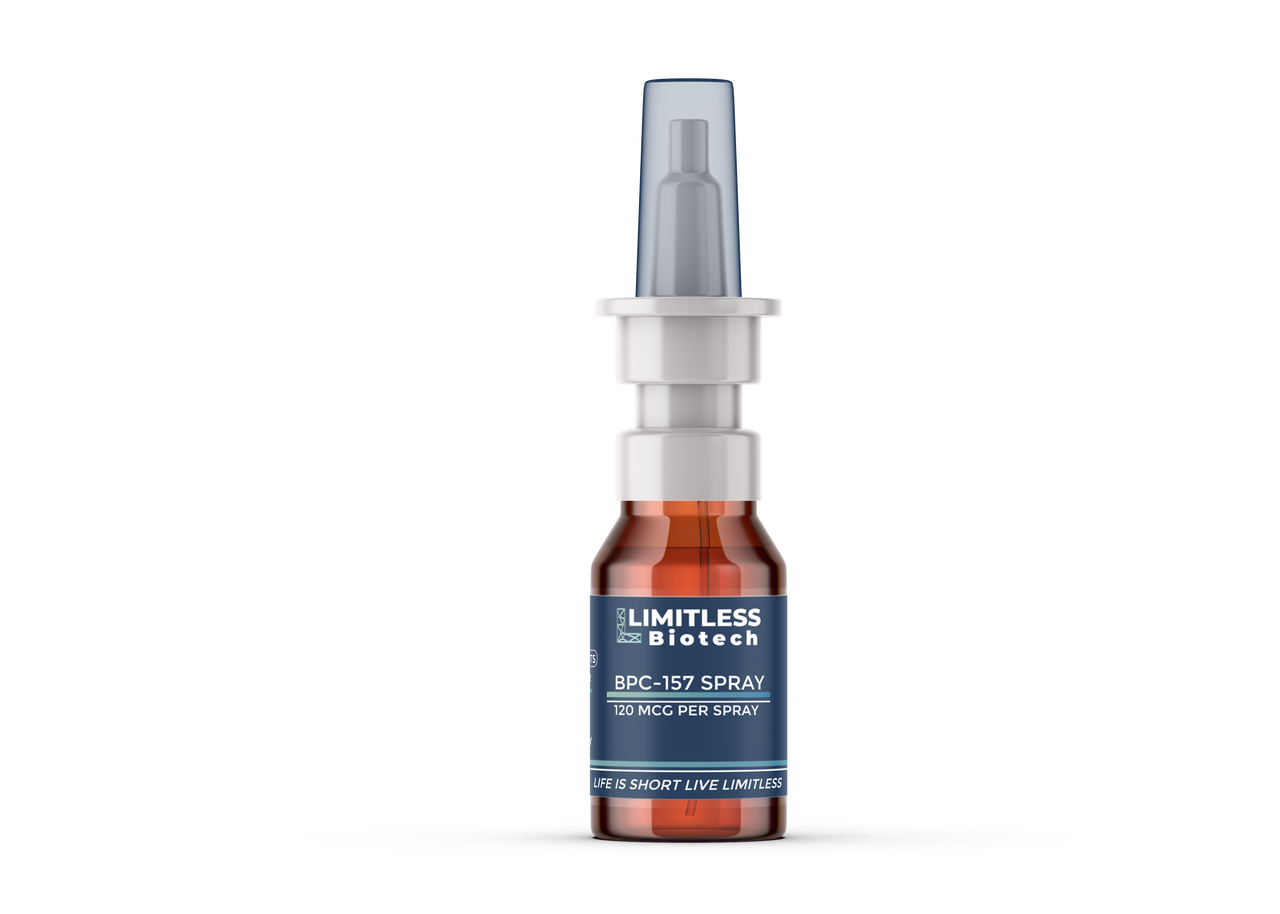
BPC-157 Spray Product Description
This precision-formulated BPC-157 spray delivers the complete 15-amino acid sequence in a stable liquid preparation. Manufactured in USA facilities using pharmaceutical-grade synthesis protocols and verified through independent laboratory analysis.
The spray format bypasses first-pass metabolism, offering researchers improved compound delivery for in vitro studies examining wound healing, angiogenesis, and tissue repair mechanisms. Quality assured through certificates of analysis from certified testing laboratories. For research applications only in qualified laboratory settings.
Our Product Quality Guarantee
Every Limitless Biotech compound undergoes independent testing for endotoxins and sterility, meeting rigorous research standards through our systematic quality protocols and proactive manufacturing processes.
Buy BPC-157 Spray From Limitless Biotech
Limitless Biotech provides USA-manufactured BPC-157 pure spray with verified molecular sequences and purity through comprehensive third-party testing. We ensure research quality with same-day shipping and dedicated customer support for your scientific endeavors.
Related BPC-157 Forms Available:
- BPC-157: Standard vial.
- BPC-157 Capsules: BPC-157 in capsule form
- Amino Acid Sequence:
- Gly-Glu-Pro-Pro-Pro-Gly-Lys-Pro-Ala-Asp-Asp-Ala-Gly-Leu-Val
- Molecular Formula:
- C62H98N16O22
- Molecular Weight:
- 1419.5 g/mol
- CAS Number:
- 137525-51-0
- PubChem CID:
- 9941957
- Synonyms:
- Bpc-157, Bpc 157, Bepecin, Bpc 15, Body protection compound 15
- Purity:
- ≥99% (HPLC)
- Presentation:
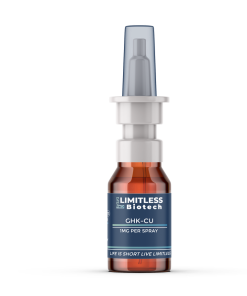
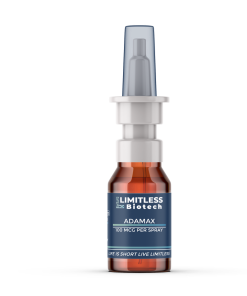
- 10mL amber glass bottle with spray pump, 100 mcg per spray
- Storage Conditions (Spray):
- Store at 2-8°C (refrigerated), protect from light
- Physical Appearance:
- Clear to slightly yellow liquid (spray form)
- Shelf Life:
- 12-24 months when stored properly (spray form)
- Quality Verification:
- Third-party tested by certified laboratory
- Manufacturing Standard:
- USA-made, research-grade, GMP compliant
- Intended Application:
- In vitro research applications only
At Limitless Biotech, we provide comprehensive Certificates of Analysis (COAs) for all of our research-only peptides to ensure transparency, purity, and quality in every batch. Each COA includes detailed analytical data that allows researchers to verify identity, concentration, and integrity, supporting reliable and reproducible scientific work. Our commitment to rigorous testing helps researchers move forward with confidence in the materials they use.
Lyophilized BPC 157 10mg #1305 Endotoxin COA
Lyophilized BPC 157 10mg #1305 Sterility COA
Lyophilized BPC 157 10mg #1305 Purity COA
Lyophilized BPC 157 6mg #1217 Purity COA
Lyophilized BPC 157 6mg #1217 Sterility COA
Lyophilized BPC 157 6mg #1217 Endotoxin COA
Lyophilized BPC 157 10mg #1347 Purity COA
Research
BPC-157 in Wound Healing and Tissue Regeneration
BPC-157 appears to accelerate wound closure and improve healing quality in several models, including incisional, excisional, burn, diabetic, and ischemic wounds. It may promote granulation tissue formation, reepithelialization, dermal remodeling, and collagen deposition, potentially through upregulation of growth factors such as VEGF and modulation of the ERK1/2 signaling pathway.[1]
In ischemic conditions, BPC-157 has been reported to restore blood flow and enhance healing, possibly via interactions with the nitric oxide (NO) system.[2]
Evidence suggests BPC-157 could facilitate the healing of musculoskeletal soft tissues, including tendon, ligament, and muscle, by promoting tendon outgrowth, cell survival under stress, and cell migration, likely through activation of the FAK-paxillin pathway.[3][4]
It may also upregulate growth hormone receptor expression in tendon fibroblasts, potentially enhancing the effects of growth hormone on cell proliferation and tissue repair.[5]
In models of myotendinous junction injury, BPC-157 has been associated with restoration of tissue structure and function, reduction of inflammation, and prevention of muscle atrophy.[6]
BPC-157 and Gastrointestinal Protection
BPC-157 is thought to provide strong protection to both stomach cells and the endothelium, possibly exceeding the effects of standard cytoprotective agents. This dual action may help maintain GI mucosal integrity and support healing in various organs.[7]
The peptide appears to activate blood vessels toward sites of injury or obstruction, potentially facilitating reestablishment of blood flow and tissue repair. Its angiogenic potential and ability to promote collateral vessel formation are highlighted as important for counteracting GI lesions and vascular failure.[8]
In animal models, BPC-157 has reportedly shown consistent protective effects against gastric and duodenal lesions induced by stress, cysteamine, and ethanol, sometimes outperforming reference drugs such as H2 receptor antagonists and dopamine promoters.[9]
There is evidence that BPC-157 may counteract the cytotoxic effects of NSAIDs, stabilizing intestinal permeability and reducing GI, liver, and brain toxicity in preclinical studies.[10]
BPC-157 is described as effective in healing various GI injuries, including anastomosis and fistulas, even when treatment is delayed, and may support recovery in conditions like short-bowel syndrome.[11]
BPC-157 and Musculoskeletal Recovery
Animal studies have reported that BPC-157 may result in:
- Improved walking patterns and functional recovery after muscle-to-bone detachment[12]
- Restoration of muscle and tendon structure, with defects disappearing and tissue organization returning to near-normal[6]
- Enhanced early functional recovery and vascularization in tendon-to-bone healing[13]
- Reduction of muscle contractures, edema, and muscle fiber loss following injury or pharmacological insult[14]
BPC-157 and Vascular Effects
There is evidence suggesting that BPC-157 may act as a potent angiomodulatory agent, potentially influencing the formation of new blood vessels (angiogenesis and vasculogenesis) through various vasoactive pathways such as nitric oxide (NO), vascular endothelial growth factor (VEGF), and focal adhesion kinase (FAK).[15]
These actions may optimize vascular responses to injury, including endothelium damage, clotting, thrombosis, vasoconstriction, vasodilation, vasculoneogenesis, and edema formation, which could contribute to improved healing processes.[15]
There is evidence suggesting BPC-157 promotes angiogenesis both in vivo and in vitro, potentially by upregulating and activating VEGFR2 and its downstream Akt-eNOS signaling pathway, which may accelerate blood flow recovery and increase vessel density in ischemic tissues.[16]
BPC-157 appears to induce concentration-dependent, endothelium-dependent vasodilation in isolated rat aorta, likely mediated by NO. The peptide may activate the Src-Caveolin-1-eNOS pathway, leading to increased NO production and enhanced vascular endothelial cell migration. This effect seems to be abolished by NO synthase inhibition, suggesting a strong dependence on NO signaling.[17]
Several studies indicate that BPC-157 might rapidly activate collateral vessel pathways, allowing minor vessels to compensate for occluded major vessels and reorganize blood flow. This effect could be particularly relevant in models of major vessel occlusion, where BPC-157 therapy reportedly attenuates or eliminates portal, caval, and intracranial hypertension, aortal hypotension, and multiple organ dysfunction.[18]
Spectroscopic analysis suggests that BPC-157 may induce rapid changes in lipid content and protein secondary structure in blood vessels, possibly protecting vascular cells from early stages of cell death.[19]
In ocular models, BPC-157 therapy has been associated with normalization of intraocular pressure, restoration of retinal and choroidal blood vessel function, and protection against ischemic and traumatic injuries. These effects may be linked to the peptide’s broader vascular rescuing capabilities and its ability to activate collateral pathways.[20]
BPC-157 and Inflammatory Response
Evidence suggests that BPC-157 may stimulate the expression of genes involved in tissue healing and modulate pathways related to inflammation, such as those involving proinflammatory cytokines (e.g., TNF-alpha, IL-12, IL-17, IL-23) that are central to conditions like psoriasis and inflammatory bowel disease (IBD).[21]
Some studies suggest that BPC-157 may downregulate proinflammatory cytokines and correct deranged muscle proliferation associated with chronic inflammation and oxidative stress, such as in cancer cachexia.[22]
There is also some evidence that BPC-157 could influence the immune response by modulating the expression of genes responsible for cytokine and growth factor generation, which are critical in the inflammatory cascade.[21]
BPC-157 and Neural Protection
In rat models, BPC-157 administration has been associated with improved outcomes following neural injury. For example, after spinal cord injury, BPC-157 treatment reportedly led to better motor function recovery, reduced neuronal and axonal necrosis, and less demyelination and cyst formation, suggesting a possible role in counteracting secondary injury processes.[23]
In models of brain ischemia/reperfusion injury, BPC-157 treatment was linked to preserved memory and motor function, as well as reduced pathological changes, potentially through mechanisms involving the NO-system.[24]
There is some suggestion that BPC-157, as a gastric peptide, could influence central nervous system disorders via the brain-gut axis, with observed effects on serotonergic and dopaminergic systems and behavioral disturbances related to neurotransmitter dysregulation.[24]


Reviews
There are no reviews yet.