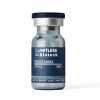
Description
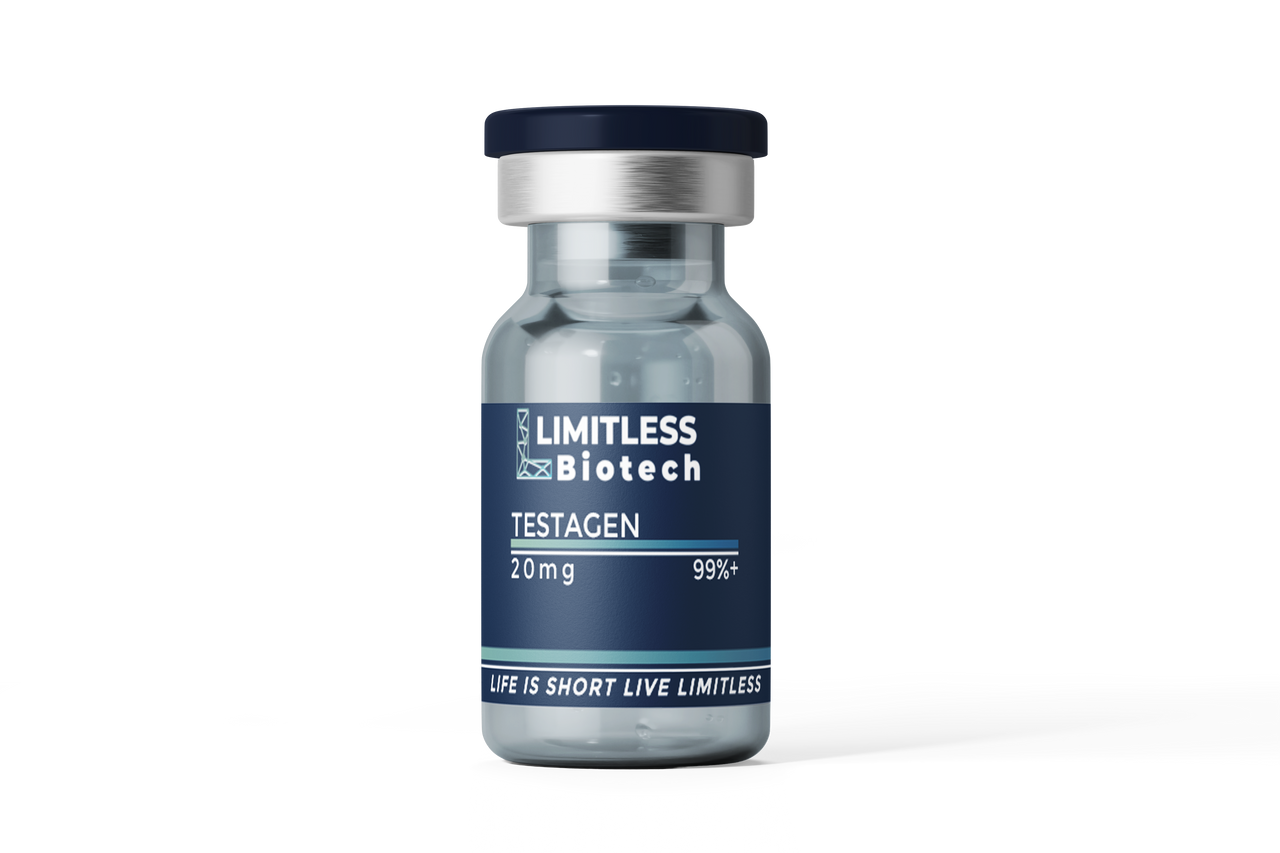
Testagen Peptide Description
Testagen peptide, also known as KEDG (Lys-Glu-Asp-Gly), is a bioactive tetrapeptide classified among the Khavinson peptides that functions as a short signaling molecule in laboratory research models.
Comprising a sequence of four amino acids — lysine, glutamic acid, aspartic acid, and glycine — this peptide mirrors the structure of naturally occurring bioregulators, making it an ideal candidate for investigations into endocrine system dynamics and epigenetic regulation.
In experimental settings, Testagen has demonstrated potential in interacting with critical cellular elements like DNA and histones, offering researchers a window into its influence on gene expression and protein synthesis pathways. Its utility shines in studies employing various models, such as avian systems, where it has been used to explore effects on thyroid morphology and hormonal activity, shedding light on glandular function and cellular differentiation.
Formulated exclusively for in vitro laboratory applications, Testagen empowers scientists to delve into cellular aging, tissue regeneration, and the epigenetic modulation of gene activity. This research-grade peptide provides a versatile platform for advancing knowledge in peptide-based bioregulation, strictly intended for controlled laboratory environments and not suitable for human or veterinary use.
Research Applications
- Thyroid Hormone Regulation
- Immune System Modulation
- Neuronal Protection
- Prostate Function
- Androgen Deficiency
- Short Description:
- Testagen, also known as KEDG, is a synthetic, short signaling peptide classified among the Khavinson peptides. It consists of the amino acid sequence Lysine-Glutamine-Asparagine-Glycine (Lys-Glu-Asp-Gly).
- Container:
- Glass Vial
- Presentation:
- Liquid
- Sequence:
- H-Lys-Glu-Asp-Gly-OH
- Molecular Formula:
- C17H29N5O9
- Molecular Weight:
- 447.4 g/mol
- PubChem CID:
- 44568787
- Synonyms:
- CHEMBL493257, BDBM50252700, KEDG, Anterior Pituitary Peptide (APP)
- Storage:
- For optimal preservation in laboratory settings, Testagen should be stored in lyophilized form at -20°C or below, while peptide solutions require refrigeration at 4°C
At Limitless Biotech, we provide comprehensive Certificates of Analysis (COAs) for all of our research-only peptides to ensure transparency, purity, and quality in every batch. Each COA includes detailed analytical data that allows researchers to verify identity, concentration, and integrity, supporting reliable and reproducible scientific work. Our commitment to rigorous testing helps researchers move forward with confidence in the materials they use.
Lyophilized Testagen #1250 Purity COA
Lyophilized Testagen #1250 Sterility COA
Lyophilized Testagen #1250 Endotoxin COA
Research
Testagen (Lys-Glu-Asp-Gly) Research
The short peptide Testagen (Lys-Glu-Asp-Gly or KEDG) is characterized by its notable ability to enter cells and specifically interact with nucleic acids like DNA and RNA. This fundamental property suggests a capacity to influence cellular processes and gene activity, potentially explaining the wide-ranging physiological effects observed in research. Studies have investigated its potential impact on thyroid hormone regulation, immune system parameters, neuronal health and protection, and aspects of prostate function and androgen levels.
Effects on Thyroid and Hormonal Activity
Lys-Glu-Asp-Gly, along with Ala-Glu-Asp-Gly, has been shown to prevent atrophic changes in the thyroid gland and alleviate secondary hypothyrosis in hypophysectomized birds. These peptides increase levels of thyroid-stimulating hormone (TSH), T3, and T4, with more pronounced recovery in younger birds compared to older ones.[1] The peptide also aids in the recovery of thymic structure in hypophysectomized birds, with a more significant effect observed in younger birds. Lys-Glu-Asp-Gly, derived from the anterior pituitary, has a more pronounced effect than Ala-Glu-Asp-Gly from the posterior pituitary.[2]
Immune and Hemostatic Effects
In hypophysectomized birds, Lys-Glu-Asp-Gly helps normalize immune and hemostatic parameters, preventing atrophic changes in the thyroid and improving overall health.[3]
Neuroprotective Properties
Lys-Glu-Asp-Gly, along with other short peptides, has demonstrated neuroprotective effects by promoting dendritogenesis and protecting neurons from age-related changes. These peptides are suggested for use as neuroprotective agents due to their ability to stimulate dendritic growth and reduce oxidative DNA damage.[4]
Prostate Physiology and Androgen Deficiency
Testagen has been investigated for its potential impact on prostate function and androgen deficiency. Studies have shown that when used in conjunction with conventional therapeutic agents, such as α1-adrenolytics and non-steroidal anti-inflammatory agents, Testagen is associated with improved uroflowmetric parameters, suggesting enhancements in urinary function within the studied models.[5] Research indicated a reduction in inflammation markers within prostate tissue, pointing to Testagen’s possible anti-inflammatory properties relevant to prostate function studies. Studies also noted an increase in serum total testosterone levels, highlighting potential areas of interest for research into androgen levels and their implications in prostate-related investigations.[5]
Cellular Penetration and Interaction with Nucleic Acids
Testagen has been demonstrated to penetrate into the cytoplasm, nucleus, and nucleolus of HeLa cells. This ability suggests that it can interact with various cellular components, including DNA and RNA, potentially influencing cellular functions.[6] The peptide’s interaction with nucleic acids is specific, as it can discriminate between different nucleotide sequences and recognize cytosine methylation status. This specificity indicates that testagen, along with other peptides, may play a role in regulating gene activity through epigenetic mechanisms.[6]
References
- Kuznik, B., Pateiuk, A., Rusaeva, N., Baranchugova, L., & Obydenko, V. (2011). [Effects of Lys-Glu-Asp-Gly and Ala-Glu-Asp-Gly peptides on hormonal activity and thyroid morphology in hypophysectomized mature and old birds].. Advances in gerontology = Uspekhi gerontologii, 24 1, 93-8.
- Pateyk, A., Baranchugova, L., Rusaeva, N., Obydenko, V., & Kuznik, B. (2013). Effect of Peptides Lys-Glu-Asp-Gly and Ala-Glu-Asp-Gly on the Morphology of the Thymus in Hypophysectomized Young and Old Birds. Bulletin of Experimental Biology and Medicine, 154, 681 – 685. https://doi.org/10.1007/s10517-013-2029-0.
- Kuznik, B., Pateiuk, A., Rusaeva, N., Baranchugova, L., & Obydenko, V. (2010). [Effects of hypophyseal Lys-Glu-Asp-Gly and Ala-Glu-Asp-Gly synthetic peptides on immunity, hemostasis, morphology and functions of the thyroid gland in neonatally hypophysectomized chicken and one-year-old birds].. Patologicheskaia fiziologiia i eksperimental’naia terapiia, 1, 14-8 .
- Kraskovskaya, N., Linkova, N., Sakhenberg, E., Krieger, D., Polyakova, V., Medvedev, D., Krasichkov, A., Khotin, M., & Ryzhak, G. (2024). Short Peptides Protect Fibroblast-Derived Induced Neurons from Age-Related Changes. International Journal of Molecular Sciences, 25. https://doi.org/10.3390/ijms252111363.
- Rossikhin, V., Hoshchenko, Y., & Osipov, P. (2011). EFFICACY OF TESTOSTERONE SYNTHESIS INDUCTOR APPLICATION “TESTAGEN” IN ANDROGENIC DEFICIENCY IN PATIENTS WITH CHRONIC ABACTERIAL PROSTATITIS. Problems of Endocrine Pathology. https://doi.org/10.21856/j-pep.2011.2.03.
- Fedoreyeva, L., Kireev, I., Khavinson, V., & Vanyushin, B. (2011). Penetration of short fluorescence-labeled peptides into the nucleus in HeLa cells and in vitro specific interaction of the peptides with deoxyribooligonucleotides and DNA. Biochemistry (Moscow), 76, 1210-1219. https://doi.org/10.1134/S0006297911110022.


Reviews
There are no reviews yet.